Bulging varicose veins and smaller visible veins can both be frustrating, but they often need different types of care. Some sit close to the surface and protrude from the skin, while others appear as fine red, blue, or purple lines. Knowing the difference between treatment options can help you feel more prepared for your visit.
Suffolk Vascular & Vein Center treats blood vessel concerns with options such as ambulatory phlebectomy and sclerotherapy. Care is led by Robert M. Pollina, MD, FACS, a board-certified vascular surgeon and founder of the practice, along with Doreen Delaney, PA-C, who specializes in sclerotherapy and varicose vein management, and Volodymyr Labinskyy, MD, a board-certified vascular surgeon.
How Phlebectomy Works
Ambulatory phlebectomy, also called microphlebectomy, is an outpatient procedure that removes certain surface veins through tiny slit-like openings in the skin. It is often used for bulging, protruding varicose veins that are too large for sclerotherapy but not large enough for laser ablation.
This option may be considered when varicose veins cause:
- Leg aching or heaviness
- Lower leg or foot swelling
- Restless legs or nighttime cramping
- Skin irritation near the enlarged vessel
- Visible raised veins that bother you cosmetically
Because the damaged vein is removed, nearby healthy ones take over circulation.
How Sclerotherapy Works
Sclerotherapy treats smaller varicose and spider veins by injecting a solution into the problematic blood vessel. The solution irritates the vein wall, which causes it to collapse. Over time, the body absorbs the treated vein, and blood moves through healthier veins.
Sclerotherapy may be recommended for visible veins, along with symptoms such as aching, burning, swelling, cramping, discoloration, or discomfort after prolonged standing or sitting.
Which Option Is Best for Your Needs?
The best choice depends on the vein’s size, location, and symptoms. Phlebectomy is often used for larger, raised varicose veins near the skin’s surface. Sclerotherapy, conversely, is often used for spider veins and smaller varicose veins.
An exam can show what is happening beneath the skin, not just what you see. That matters because visible veins can sometimes indicate a deeper circulatory issue.
Discuss Vein Treatment Options in Suffolk County
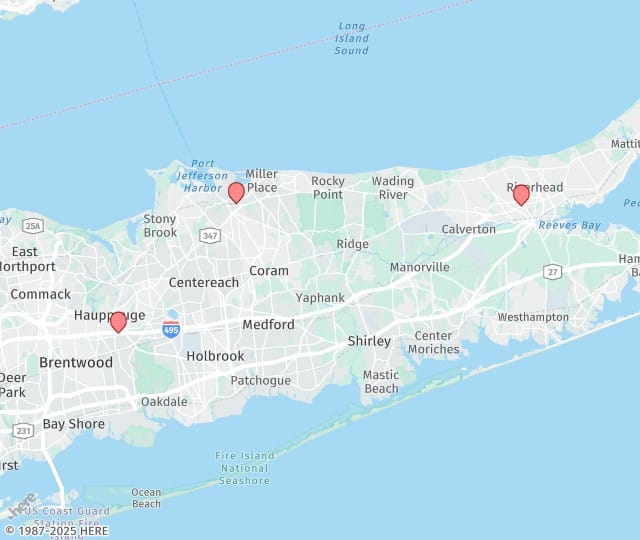
Clear answers start with a careful evaluation. To discuss phlebectomy, sclerotherapy, or another vein treatment with Suffolk Vascular & Vein Center in Port Jefferson Station, Hauppauge, or Riverhead, contact us at 631-476-9100, 631-979-0222, or 631-591-9003.