The carotid arteries are two major blood vessels in the neck that are responsible for carrying blood to the brain. When plaque narrows one of these arteries, blood flow can be reduced, and the risk of stroke may rise.
Suffolk Vascular & Vein Center treats carotid artery concerns with procedures such as carotid angioplasty with stent placement. Providers include Volodymyr Labinskyy, MD, who is board-certified in vascular surgery and has experience with balloon angioplasty, stenting, and atherectomy, and Robert M. Pollina, MD, FACS, who is a board-certified vascular surgeon and founder of the practice.
What Carotid Angioplasty Does
Carotid angioplasty is a minimally invasive procedure that can open a blocked or narrowed carotid artery. A vascular surgeon guides a small catheter to the narrowed area, then inflates a tiny balloon to widen the artery and press plaque against the artery wall.
A stent is placed to help keep the artery open. This small mesh tube stays in the artery and supports circulation after the balloon is removed.
How Angioplasty May Lower Stroke Risk
A stroke can occur when blood flow to part of the brain is blocked. If carotid artery narrowing is severe enough, restoring circulation may help lower the chance of a future stroke.
Carotid angioplasty may be considered when a person has carotid artery disease, a history of transient ischemic attack, or other risk factors that raise concern about blocked blood flow to the brain. The right choice depends on the severity of the narrowing, your health history, and your vascular testing results.
What Happens Before Carotid Angioplasty?
Before recommending carotid angioplasty with stent placement, your provider will consider your medical history and perform a physical exam. Testing may include:
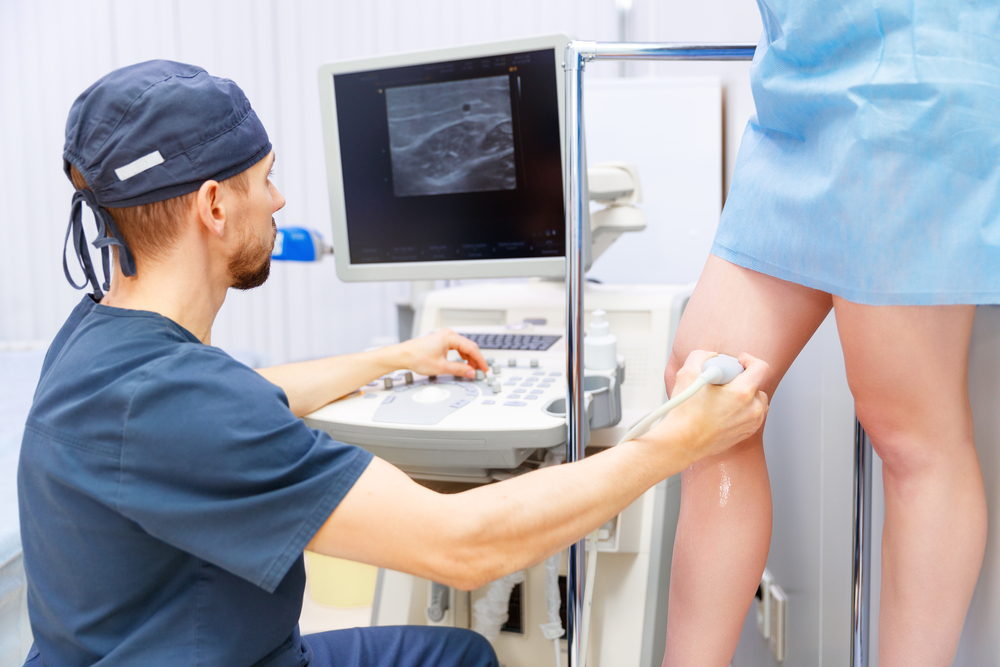
- Carotid ultrasound
- Magnetic resonance angiography (MRA)
- Carotid angiography (CTA)
These tests help show how much narrowing is present and whether this is the right option for your condition.
What to Expect During Angioplasty
Carotid angioplasty with stent placement is performed under sedation. X-ray images help guide the procedure. The access point is often in the groin or arm, where a local anesthetic is used before the catheter is inserted.
Your heart rate is monitored throughout the treatment, and your care instructions will cover medications, eating, drinking, and recovery details.
Talk With a Vascular Specialist in Suffolk County
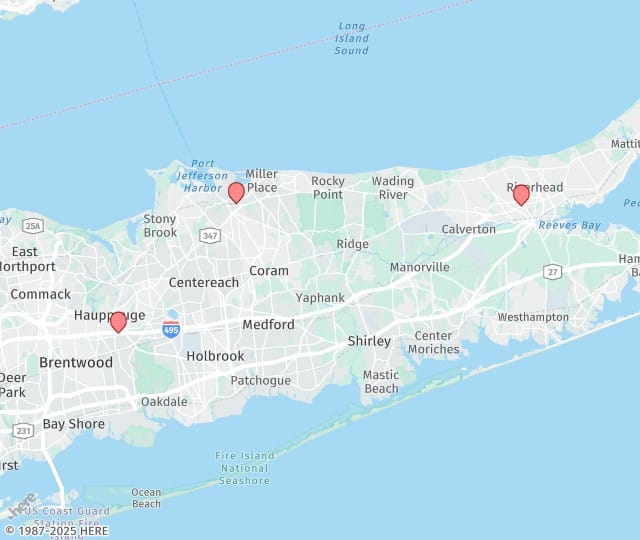
Carotid artery narrowing should be taken seriously, especially if you have been told you may be at risk for stroke. For evaluation or treatment at Suffolk Vascular & Vein Center, schedule a consultation by calling 631-476-9100 (Port Jefferson Station), 631-979-0222 (Hauppauge), or 631-591-9003 (Riverhead).