Deep vein thrombosis (DVT) and superficial thrombophlebitis both involve blood clots in veins, but the key difference is where the clot forms. Deep vein thrombosis develops in a vein deep within the body, usually in the leg, while superficial thrombophlebitis affects a vein closer to the skin. DVT carries a greater risk of serious complications because part of the clot can travel to the lungs and cause a pulmonary embolism.
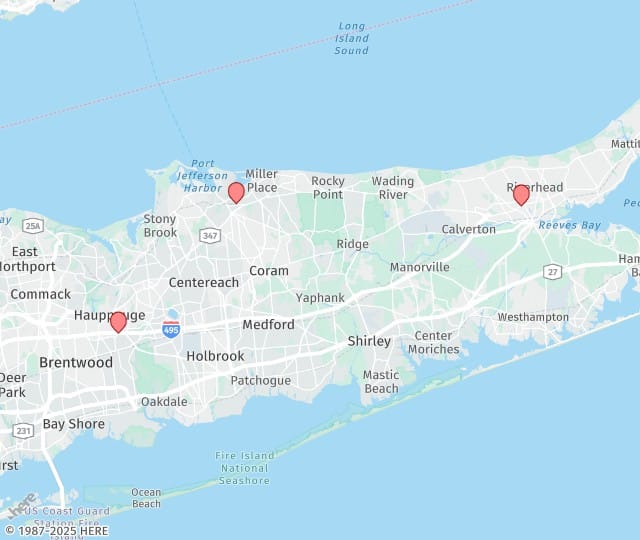
Suffolk Vascular & Vein Center treats DVT and other vascular and venous conditions in Port Jefferson Station, Riverhead, and Hauppauge, NY. The team includes Robert M. Pollina, MD, FACS, a board-certified vascular surgeon and Fellow of the American College of Surgeons; Doreen Delaney, PA-C, who completed postgraduate surgical residency training for physician assistants; and Volodymyr Labinskyy, MD, a board-certified vascular surgeon with 15 years of experience.
How DVT and Superficial Thrombophlebitis Differ
The clot’s location changes both the symptoms you may notice and the potential risks.
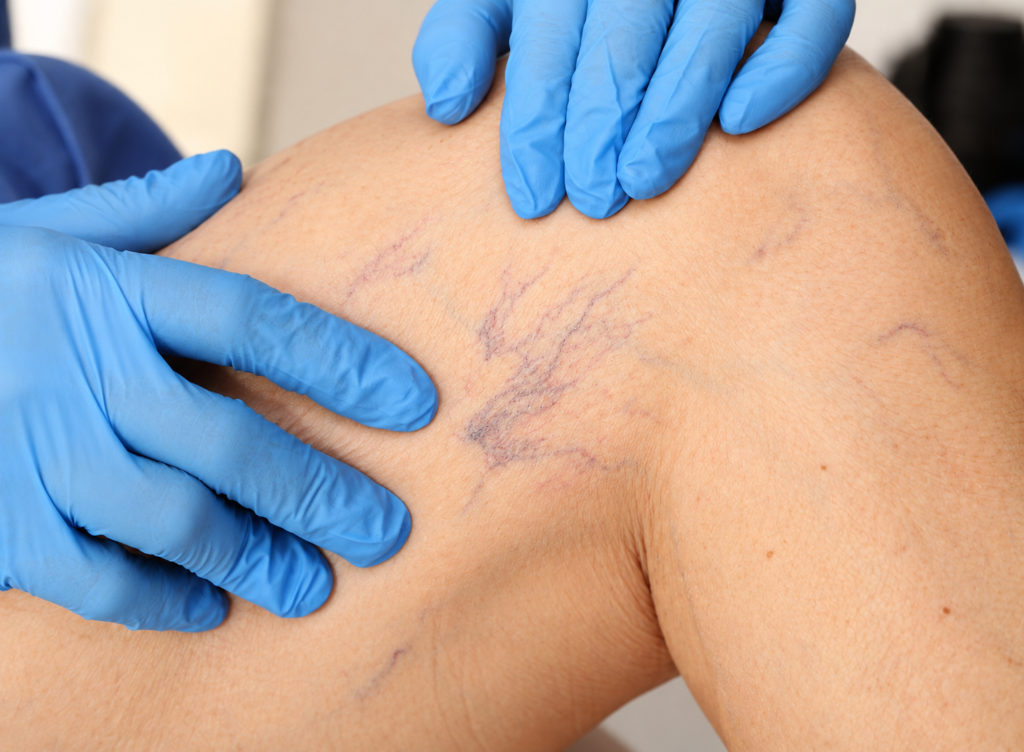
Superficial thrombophlebitis, also called superficial venous thrombosis, affects veins just beneath the skin. You might notice redness, tenderness, warmth, or swelling that follows the path of a visible vein. The vein may also feel firm or cordlike.
DVT develops farther beneath the skin, so you generally can’t see the affected vein. Possible warning signs include swelling in one leg, aching or tenderness, warmth, and skin color changes. Some people with DVT don’t have noticeable symptoms at all.
Because symptoms sometimes overlap, you can’t reliably determine the type of clot based on appearance or discomfort alone.
Why DVT Requires Prompt Medical Attention
A DVT can become dangerous if part of the clot breaks free and travels through the bloodstream to your lungs. If the clot travels to the lungs and blocks blood flow in a pulmonary artery, it may cause a pulmonary embolism.
Seek emergency medical care if you experience sudden shortness of breath, chest pain that gets worse with a deep breath or cough, fainting, dizziness, rapid breathing, or coughing up blood.
Superficial thrombophlebitis is generally less dangerous, but it still deserves medical evaluation. In some cases, a superficial clot can extend toward the deep venous system or occur alongside DVT.
How Are These Blood Clots Diagnosed and Treated?
Your vascular specialist may use an ultrasound to determine where a clot is located and distinguish superficial thrombophlebitis from DVT.
Treatment depends on the clot’s location, size, symptoms, and your individual risk factors. DVT commonly requires anticoagulant medication to keep the clot from growing and reduce the likelihood of additional clots. Superficial thrombophlebitis might improve with measures such as warm compresses, elevation, compression, and medication for discomfort. Some superficial clots also require anticoagulation based on their location and extent.
Get Vascular Care for Suspected Blood Clots
New leg swelling, pain, redness, or warmth shouldn’t be ignored when a blood clot is possible. Suffolk Vascular & Vein Center evaluates vascular conditions at its Port Jefferson Station, Riverhead, and Hauppauge, NY, offices.
Contact us today for an appointment. Call Port Jefferson Station at 631-476-9100, Riverhead at 631-591-9003, or Hauppauge at 631-979-0222.