Poor circulation and neuropathy can both cause numbness, tingling, discomfort, and changes in how your feet feel. The main difference is the source: arterial disease reduces blood flow to the feet, venous insufficiency interferes with blood returning from the legs, and neuropathy involves damaged or dysfunctional nerves. Because these conditions can overlap, an evaluation can help determine the cause of your symptoms.
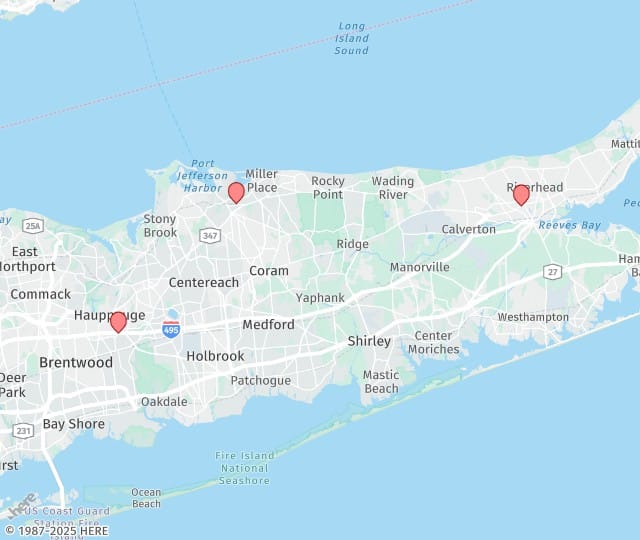
With offices in Port Jefferson Station, Riverhead, and Hauppauge, NY, Suffolk Vascular & Vein Center provides care for a range of arterial and venous disorders. Robert M. Pollina, MD, FACS, is a board-certified vascular surgeon and Fellow of the American College of Surgeons. He works alongside Doreen Delaney, PA-C, who completed a postgraduate surgical residency for physician assistants, and Volodymyr Labinskyy, MD, a board-certified vascular surgeon with 15 years of experience.
What Does Poor Circulation Feel Like?
Circulation problems develop when blood has difficulty traveling through the arteries or returning through the veins. The signs you notice can help you determine what type of vessel is affected.
Venous insufficiency often causes:
- Aching or heaviness in the legs
- Swelling in the feet or ankles
- Discomfort that worsens after prolonged standing
- Symptoms that improve when you elevate your legs
- Varicose veins
- Skin discoloration or hardening
- Slow-healing sores near the ankles
Arterial circulation problems can produce different signs, including cool feet, pale or bluish skin, leg cramps during activity, and wounds that don’t heal normally. Changes in temperature, color, swelling, or skin condition can provide important clues that blood flow is involved.
What Does Neuropathy Feel Like?
Neuropathy occurs when nerves can’t transmit signals normally. It frequently causes sensations that seem unusual or difficult to describe, such as:
- Burning or electric-like pain
- Pins-and-needles sensations
- Numbness
- Increased sensitivity to touch
- Reduced ability to feel heat, cold, or an injury
- Weakness or balance problems
Some common forms of peripheral neuropathy begin in the toes and gradually spread upward, although the pattern depends on which nerves are affected. They may be present even when your feet look normal, although numbness can make it harder to notice cuts, blisters, or pressure sores.
Can Poor Circulation and Neuropathy Happen Together?
Yes. Reduced blood flow can sometimes contribute to nerve damage, and conditions such as diabetes can increase the risk of both vascular disease and peripheral neuropathy. You also can’t reliably identify the cause based on a single issue. Tingling, for example, might occur with neuropathy or venous insufficiency.
A physical exam and testing can clarify what’s happening. Your evaluation may include checking pulses, skin temperature, sensation, swelling, and wounds. Testing might include an ankle-brachial index to assess arterial circulation or a vascular ultrasound to evaluate blood flow in the arteries and veins.
Find Out What’s Behind Your Foot Symptoms
Ongoing numbness, swelling, discoloration, or foot pain shouldn’t be dismissed as a normal part of aging. Contact us to discuss your concerns with Suffolk Vascular & Vein Center in Port Jefferson Station at 631-476-9100, Riverhead at 631-591-9003, or Hauppauge at 631-979-0222.