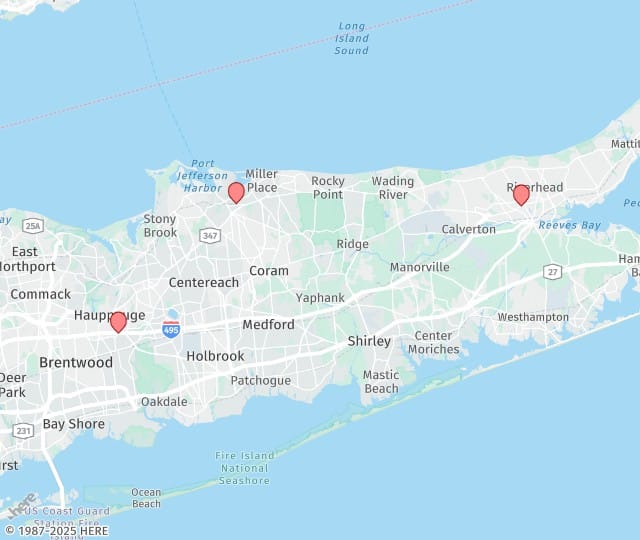
Smoking is one of the most important modifiable risk factors for peripheral artery disease (PAD). For more than 25 years, our team at Suffolk Vascular & Vein Center has cared for patients with arterial disease across Suffolk County and Long Island, including PAD. Our board-certified vascular surgeons Robert M. Pollina, MD, FACS and Volodymyr Labinskyy, MD bring experience in both endovascular and open vascular care.
Why Smoking Raises PAD Risk
PAD develops when plaque narrows the arteries that carry blood to the limbs, most often the legs and feet. Tobacco use damages the inner lining of blood vessels and contributes to atherosclerosis, the buildup of plaque inside the arteries. Nicotine also causes blood vessels to constrict, which can further limit circulation.
When PAD is already present, continued smoking exposes the vascular system to ongoing injury. This may worsen symptoms over time and make it harder for the legs and feet to receive the oxygen they need.
What Symptoms Can Look Like
PAD does not always cause obvious symptoms. When it does, you may notice leg pain or cramping with walking, numbness or weakness, cold feet, skin color changes, or sores that are slow to heal. For some people, the first clue is discomfort that starts during activity and improves with rest. Others may notice changes in the feet or skin before significant pain develops.
If these symptoms keep returning, a leg pain evaluation can help determine whether poor arterial circulation is involved. An arterial Doppler may also be used to measure blood flow and look for narrowing or blockages.
Why Quitting Still Matters After Diagnosis
Stopping tobacco use remains worthwhile even after PAD has developed. Quitting removes an ongoing source of blood vessel damage and supports the rest of your treatment plan. Depending on your health, that plan may also include walking or other exercise, medication, and better control of blood pressure, cholesterol, or diabetes.
Our approach to vascular disease management may combine lifestyle changes with medical or procedural care. If a blockage is significantly restricting blood flow, treatments such as laser atherectomy may be considered for some patients. Treating a blockage does not remove the need to manage the factors that contributed to artery disease in the first place.
When to Have Your Circulation Checked
Recurring leg pain with activity, persistent coldness or numbness, color changes, or a wound that is not healing should not be ignored. Contact us at Suffolk Vascular & Vein Center in Port Jefferson Station, NY, or call 631-476-9100 to have your symptoms evaluated by our vascular team.