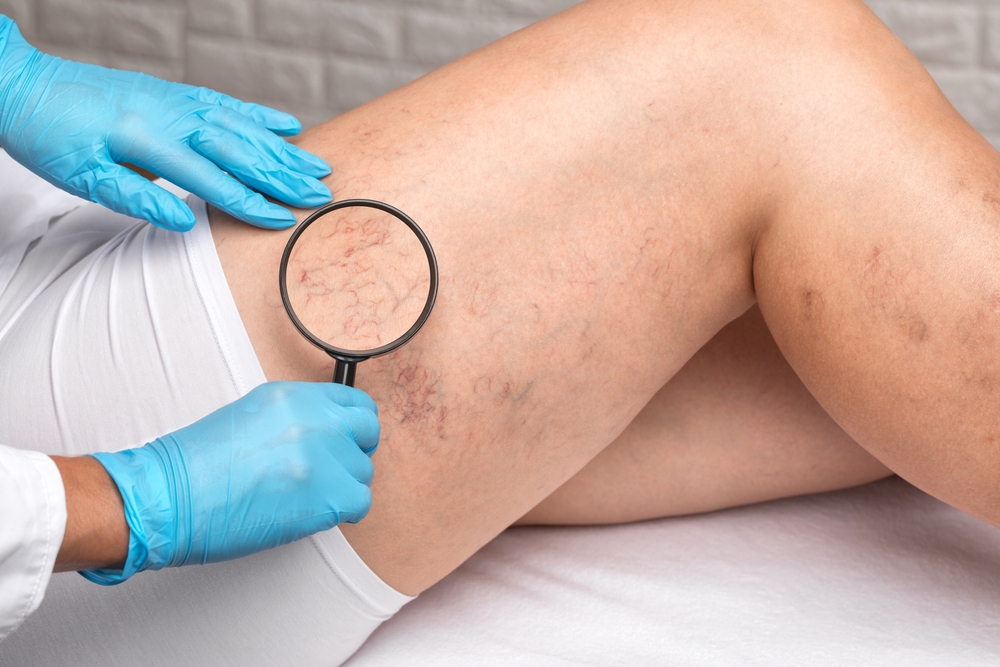
Varicose veins can feel like they appeared out of nowhere, but family history often plays a role. When parents or close relatives have this condition, your chances of being diagnosed may be higher. Genetics can affect vein walls and valves, making it harder for blood to move upward from the legs toward the heart.
For people in Suffolk County, Suffolk Vascular & Vein Center treats varicose veins with personalized care based on symptoms, vein structure, and health history. The team includes Doreen Delaney, PA-C, and Robert M. Pollina, MD, FACS, and Volodymyr Labinskyy, MD, who are both board-certified in vascular surgery.
Why Family History Matters
Veins in the legs have one-way valves that help blood travel back to the heart. When those valves weaken or fail to close properly, blood can pool, and the vein may stretch, twist, or become visible beneath the skin over time.
If vein weakness runs in your family, you may inherit a higher risk. That does not mean varicose veins are guaranteed, but it does mean you may want to pay attention to early warning signs.
Other Risk Factors for Varicose Veins
Genetics is only one part of the picture. Other factors can raise your risk, including:
- Aging
- Pregnancy
- Obesity
- Long periods of sitting or standing
- A history of blood clots or leg injuries
- Hormonal changes
People with several risk factors may develop varicose veins earlier or notice symptoms that worsen over time.
Signs You Should Have Veins Checked
Varicose veins are not always just cosmetic. They can be linked with aching, heaviness, swelling, itching, burning, cramping, skin changes, or discomfort after long periods on your feet.
You should consider an evaluation if visible veins are accompanied by pain, swelling, skin discoloration, or sores near the ankle. These changes can point to chronic venous insufficiency, a condition that may progress without treatment.
Can You Prevent Hereditary Varicose Veins?
You cannot change your genes, but you can support better circulation in your legs. Walking, moving often during the day, elevating your legs, and wearing compression stockings when recommended may help manage symptoms. A vascular specialist can also identify solutions if problem veins are already present.
Find Varicose Vein Care in Suffolk County
Family history is a good reason to take leg symptoms seriously. To talk through your conditions and treatment options, schedule a consultation at Suffolk Vascular & Vein Center by calling 631-476-9100 (Port Jefferson Station), 631-979-0222 (Hauppauge), or 631-591-9003 (Riverhead).