Not all serious vascular conditions come with noticeable warning signs. An aortic aneurysm may develop and grow without causing symptoms, making early detection particularly important for those at higher risk. If an aneurysm is found, timely evaluation can help determine whether regular monitoring or surgical treatment is best.
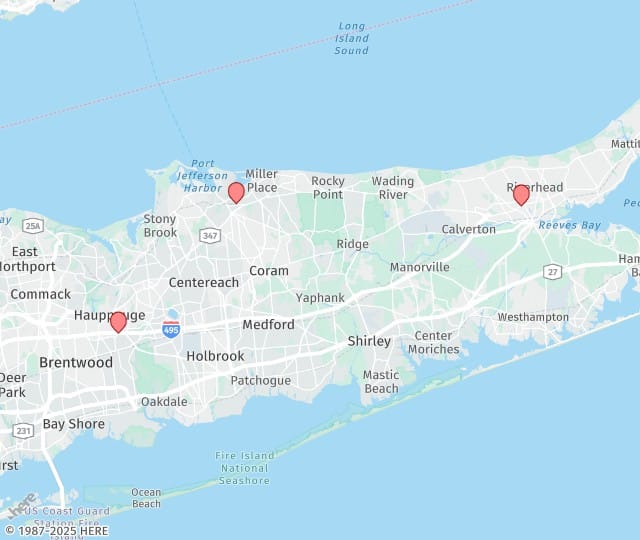
At Suffolk Vascular & Vein Center in Suffolk County, NY, board-certified vascular surgeons Dr. Robert M. Pollina and Dr. Volodymyr Labinskyy provide advanced aortic aneurysm care, including endovascular and open surgical procedures. We serve patients throughout Long Island from our Port Jefferson Station, Riverhead, and Hauppauge offices.
What Is an Aortic Aneurysm?
The aorta is the body’s largest artery, carrying blood from the heart through the chest and abdomen. An aortic aneurysm develops when an area of the aortic wall weakens and expands outward.
The two primary types are named for where they develop:
- Abdominal aortic aneurysm (AAA): Develops in the portion of the aorta that passes through the abdomen.
- Thoracic aortic aneurysm (TAA): Develops in the portion of the aorta located within the chest.
Factors that may contribute to aortic aneurysm development include smoking, high blood pressure, atherosclerosis, increasing age, family history, and certain inherited conditions. Because an aneurysm can enlarge over time and potentially rupture, appropriate monitoring is important once one is detected.
What Are the Symptoms of an Aortic Aneurysm?
Many aortic aneurysms cause no noticeable symptoms, particularly while they are small. When symptoms occur, they can differ depending on the aneurysm’s location.
A thoracic aortic aneurysm may cause:
- Chest or upper back pain
- Shortness of breath
- Coughing
- Hoarseness
- Difficulty swallowing
An abdominal aortic aneurysm may cause:
- Persistent abdominal or back pain
- Abdominal tenderness
- A pulsing or throbbing sensation in the abdomen
A ruptured aneurysm is a medical emergency. Sudden, severe chest, abdominal, or back pain, lightheadedness, rapid heartbeat, difficulty breathing, or loss of consciousness requires immediate emergency medical attention.
How Is an Aortic Aneurysm Diagnosed?
Because aortic aneurysms frequently develop without symptoms, some are discovered during imaging performed for another medical reason. If an aneurysm is suspected, imaging can determine its location and size.
Depending on the area being evaluated, testing may include:
- Abdominal ultrasound
- Echocardiography
- CT or CT angiography
- MRI
Screening may also be appropriate for certain people based on factors such as age, smoking history, family history, or other vascular conditions. If an aneurysm is found, follow-up imaging can help determine whether it is stable or growing.
How Are Aortic Aneurysms Treated?
Treatment is individualized based on the aneurysm’s size, location, symptoms, growth rate, rupture risk, and overall health.
Small aneurysms may not require immediate repair. Instead, your vascular specialist may recommend periodic imaging along with management of cardiovascular risk factors. Treatment may include controlling blood pressure and cholesterol, quitting smoking, and making other heart-healthy lifestyle changes.
A large, rapidly growing, symptomatic, leaking, or high-risk aneurysm may require repair:
Endovascular Aneurysm Repair
Endovascular repair is a minimally invasive approach performed through the blood vessels. A vascular surgeon guides a catheter to the affected portion of the aorta and positions a stent graft inside the vessel.
The graft creates a new pathway for blood flow and reduces pressure on the weakened aneurysm wall. Because the procedure does not require the same large chest or abdominal incision used for open repair, recovery may be shorter for appropriately selected patients.
Open Aneurysm Repair
Some aneurysms are better suited to open surgical repair because of their size, location, anatomy, or other clinical factors. During open repair, the surgeon reaches the affected portion of the aorta through an incision and places a synthetic graft to create a durable pathway for blood flow.
Your vascular surgeon will review your imaging, health, and aneurysm characteristics to determine the best approach.
Can You Lower Your Risk of an Aortic Aneurysm?
Not every aortic aneurysm can be prevented, particularly when genetics or family history contribute to your risk. However, protecting your overall vascular health may help reduce modifiable risk factors.
You can:
- Stop smoking
- Keep blood pressure controlled
- Manage high cholesterol
- Stay physically active as medically appropriate
- Maintain a healthy weight
- Follow recommended vascular screening based on your individual risk
If you already have an aneurysm, follow your vascular specialist’s recommendations for imaging and medical management rather than relying on lifestyle changes alone.
Why Choose Suffolk Vascular & Vein Center for Aortic Aneurysm Care in Suffolk County?
Suffolk Vascular & Vein Center has treated the full spectrum of arterial disease, including aneurysms, for more than 25 years. Board-certified vascular surgeons Robert M. Pollina, MD, FACS, and Volodymyr Labinskyy, MD, provide both minimally invasive endovascular treatment and complex open vascular surgery.
Dr. Pollina is a Fellow of the American College of Surgeons with extensive experience in open vascular procedures, including abdominal aortic aneurysm surgery. Dr. Labinskyy is board-certified in vascular surgery and has extensive experience with advanced endovascular and surgical treatments. This range of expertise allows our team to recommend care based on each patient’s anatomy, health, and individual vascular needs.
Schedule an Aortic Aneurysm Evaluation in Suffolk County
If you have been diagnosed with an aortic aneurysm or have risk factors that may warrant vascular evaluation, Suffolk Vascular & Vein Center can help determine the appropriate next steps.
We see patients at our Port Jefferson Station, Riverhead, and Hauppauge, NY, locations. Call 631-476-9100 to schedule an appointment with our vascular team.